2025 gave us a fresh wave of food and drink ads that were fun, thoughtful, and surprisingly inventive. Some brands used AI, some went big with visuals, and others kept things simple and human. What they all shared was a clean idea executed well. Here are the standouts.
Coca-Cola's “Who will you share a Coke with?”
This ad reintroduces the classic “Share a Coke” idea but shows how the 2025 version goes far beyond printing names on bottles. The spot walks you through a simple loop: pick a Coke, scan the QR code, and unlock an AI-powered space where you can design your own virtual bottle, generate short “memory” videos, or try AR versions for social posts. The story isn’t just about the drink. It’s also about turning Coke into something you can personalize, remix, and share.
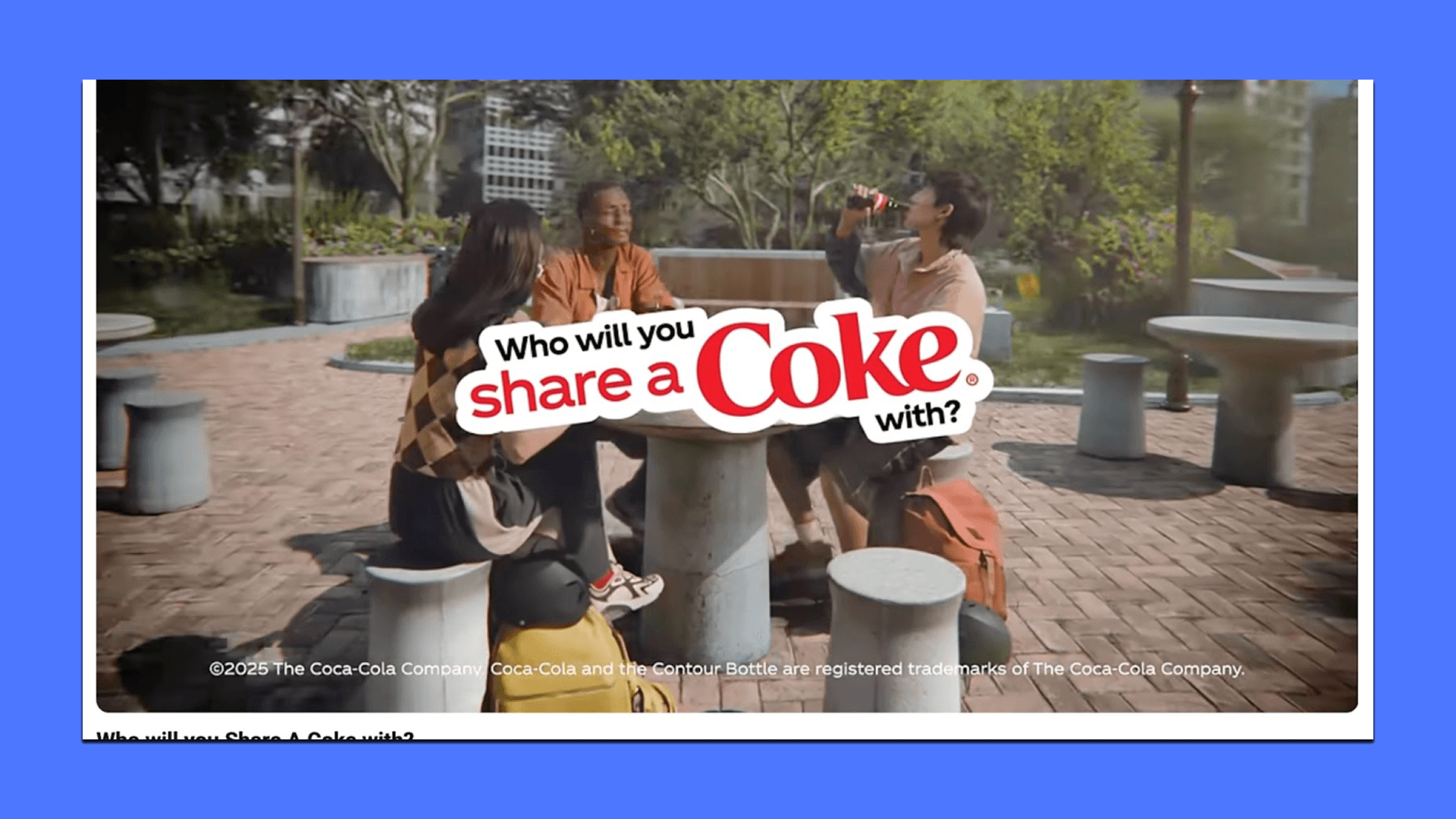
What makes the ad effective is how naturally it ties AI to behavior Gen Z already has: customizing everything, posting small life moments, and wanting objects that feel “made for them.” Instead of presenting AI as a technical novelty, the ad frames it as a playful extension of connection. Coke uses technology to revive a nostalgic idea in a way that feels current, social-friendly, and built for participation rather than passive viewing.
OLIPOP’s “Crack It Open” Sports Series
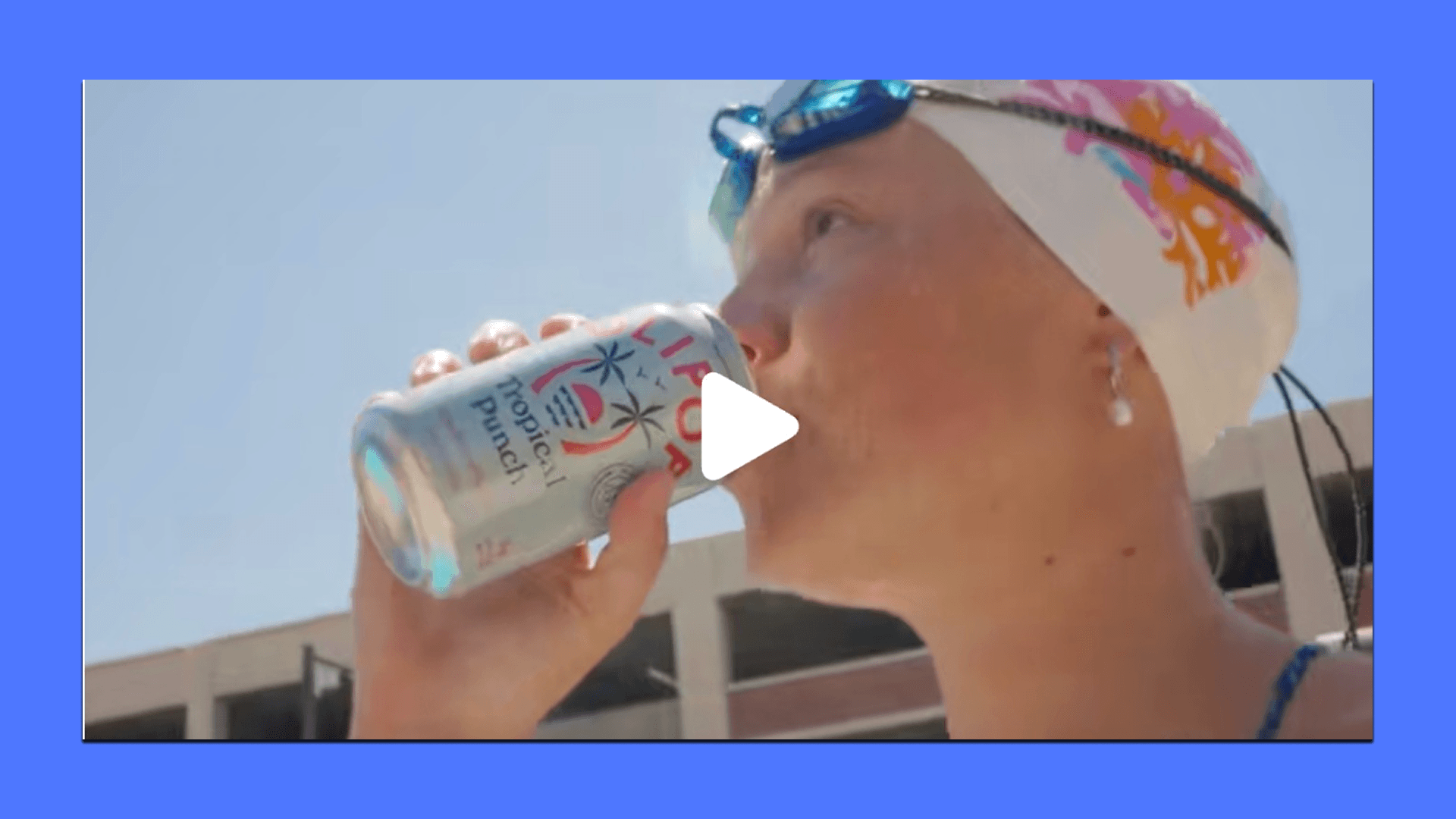
In this ad, OLIPOP’s is turning a simple thing — cracking open a can — into a ritual in this ad. Each scene shows an athlete right at the moment before they begin: a swimmer stepping onto the deck, a tennis player gearing up for a serve, a yogi settling onto the mat. Before anything else, they open an OLIPOP.
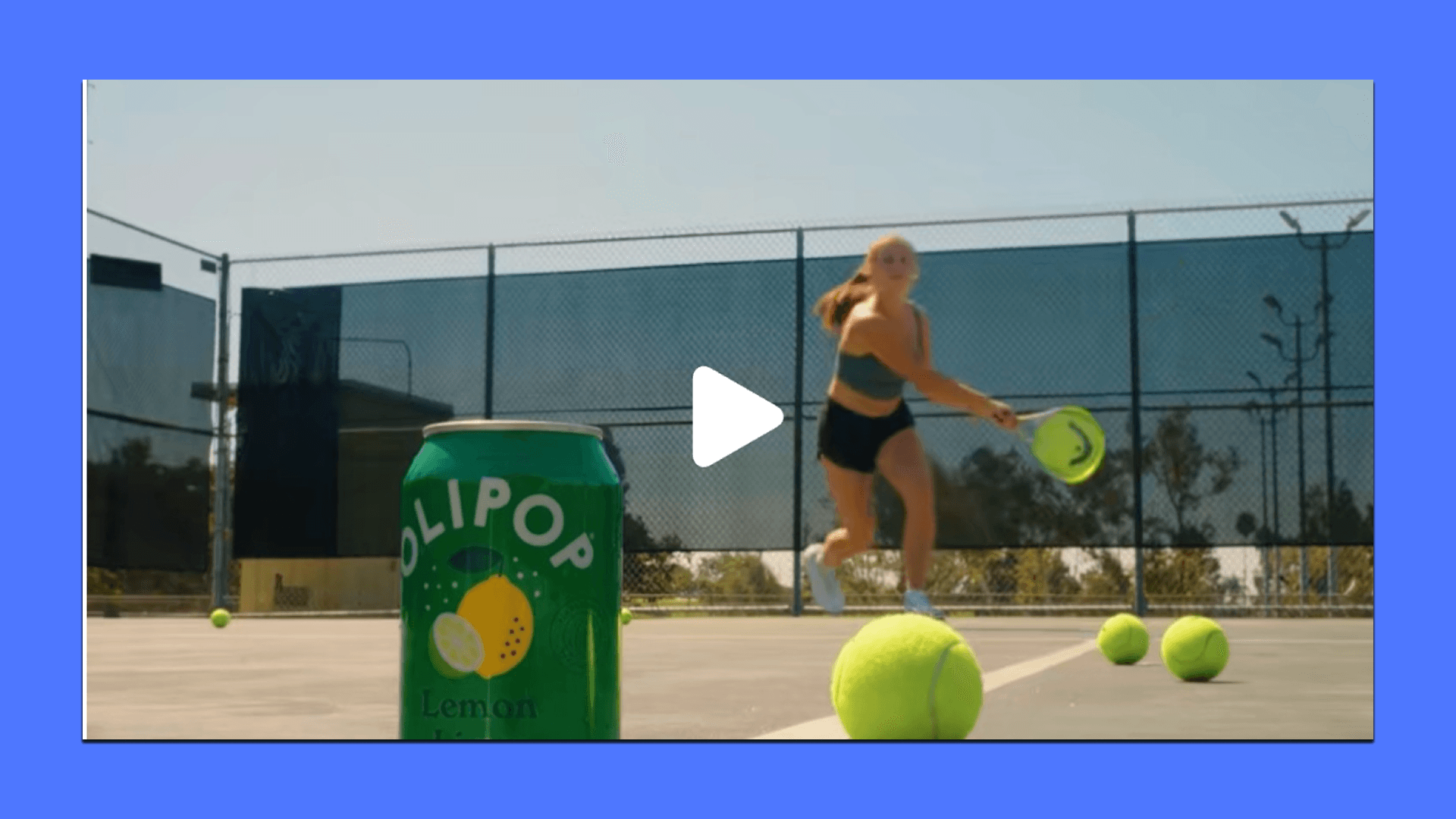
The brand is positioning OLIPOP as a light, refreshing companion that fits into the pace of active, everyday life. It’s a clean, modern way for a better-for-you soda to associate with wellness without preaching wellness.
What makes the ad effective is how relaxed it feels. The athletes aren’t hyper-intense or commercial-perfect. The moment you see a diverse set of everyday athletes drinking it, the product stops living in the “guilty treat” category and becomes something people feel comfortable weaving into their routine.
Dunkin’s Little Holiday MUNCHKIN
Dunkin’ takes a clever turn by making its smallest menu item the emotional core of its holiday campaign. Instead of leaning on product shots or seasonal discounts, the brand builds a full narrative world around a lone Munchkin who wants to feel chosen. That shift from treat to character is what gives the ad its charm — it taps into the holiday storytelling tradition while gently reframing an overlooked donut hole as something worthy of attention.
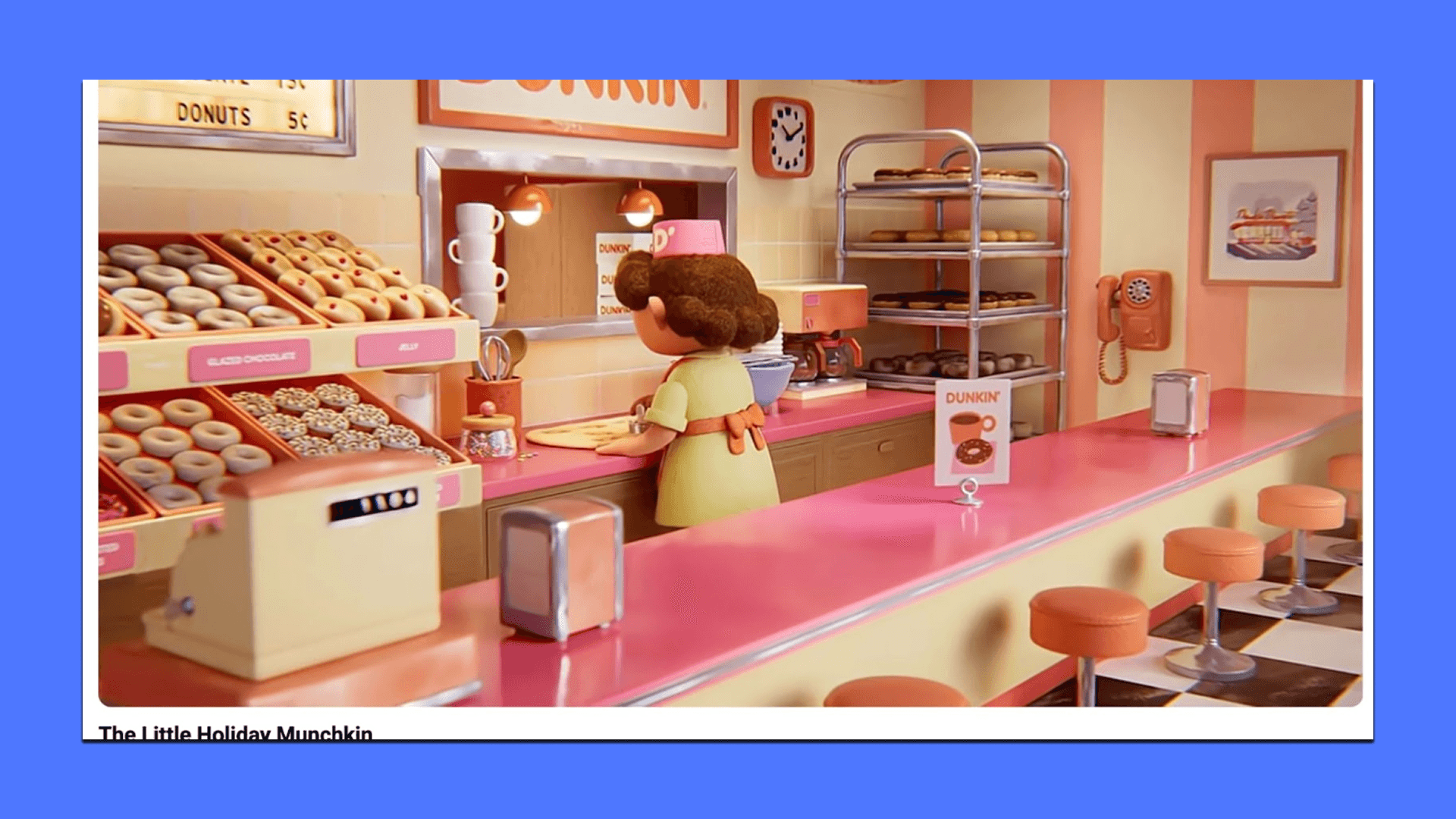
The storybook-style animation, paired with Mindy Kaling’s warm narration, makes the ad feel like a piece of holiday content rather than a commercial. This helps Dunkin’ speak to families without forcing sentimentality.
Oatly’s Blind Taste Test OOH
Oatly leans into humor and honesty in a way most food brands avoid. The posters show people literally covering their eyes, paired with the line: “I love Oatly in my coffee if I don’t know it’s Oatly.” It’s a funny admission, but also a smart one. Instead of fighting the stereotype that plant milks can taste “different,” Oatly owns it and flips the conversation.
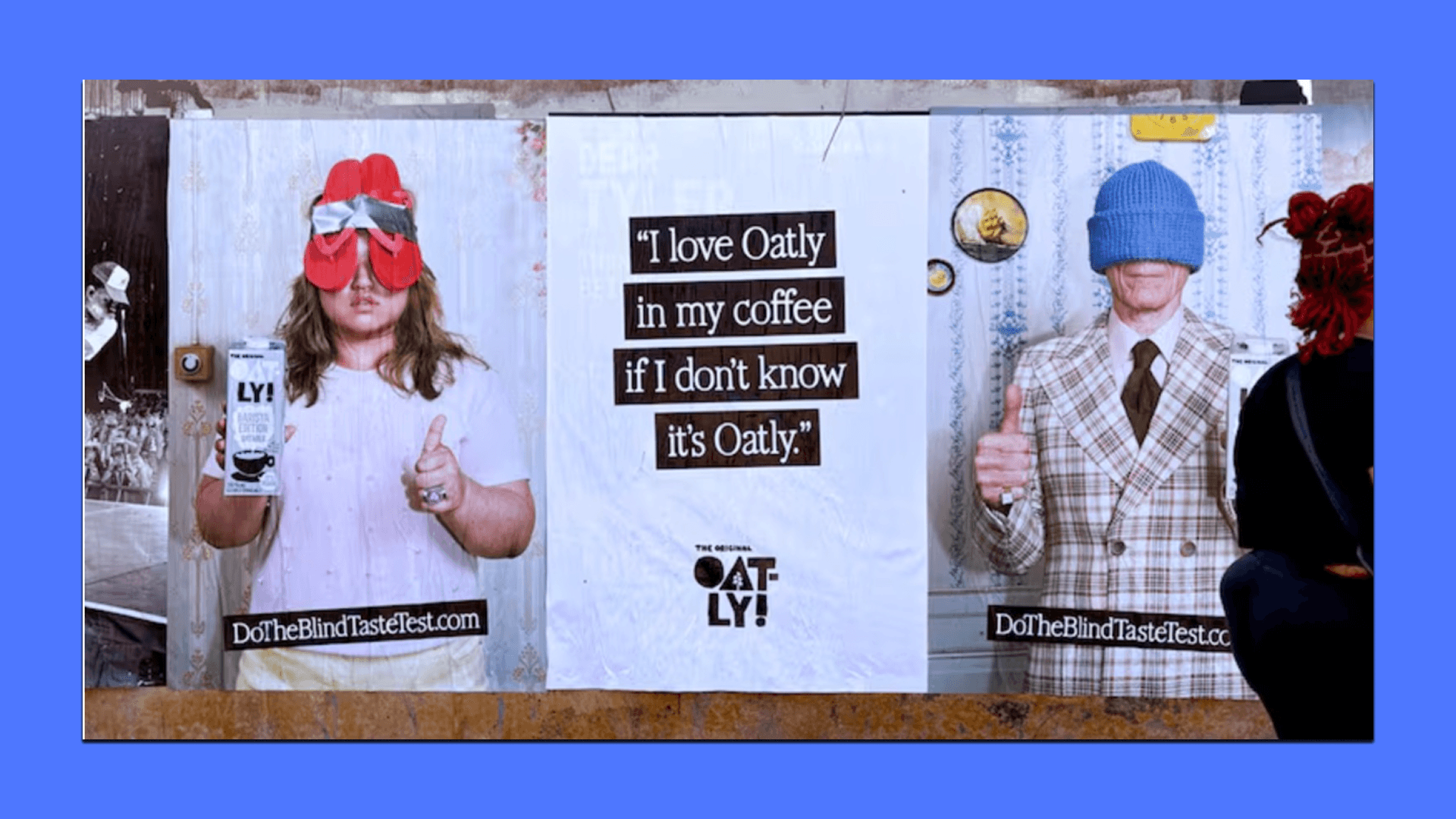
The campaign works because it feels human and self-aware. These aren’t polished models; they look like real people who would actually say something like this. And by pushing people to “do the blind taste test,” Oatly removes pressure. You don’t have to commit to being a plant-based person and just try it without overthinking.
Heinz A.I. Ketchup
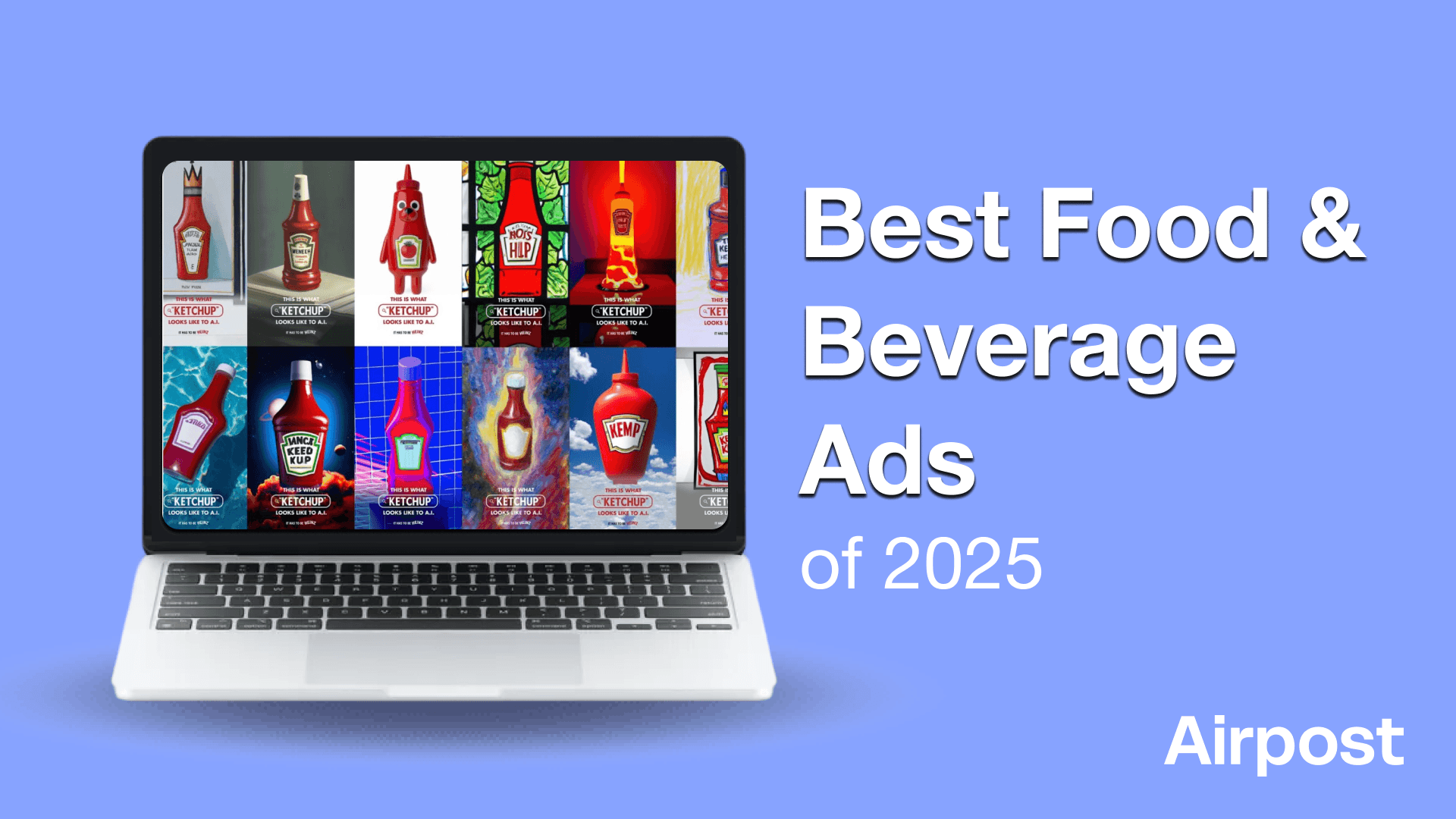
Heinz found a fun, modern way to make an old point: when people think ketchup, they think Heinz. Instead of running another traditional brand ad, they used DALL·E 2 to show that even an AI — with no brand loyalty, no memories, no context — still spits out images that look a lot like a Heinz bottle when asked to “draw ketchup.” Different styles, different moods, different interpretations, but the same familiar shape keeps showing up.
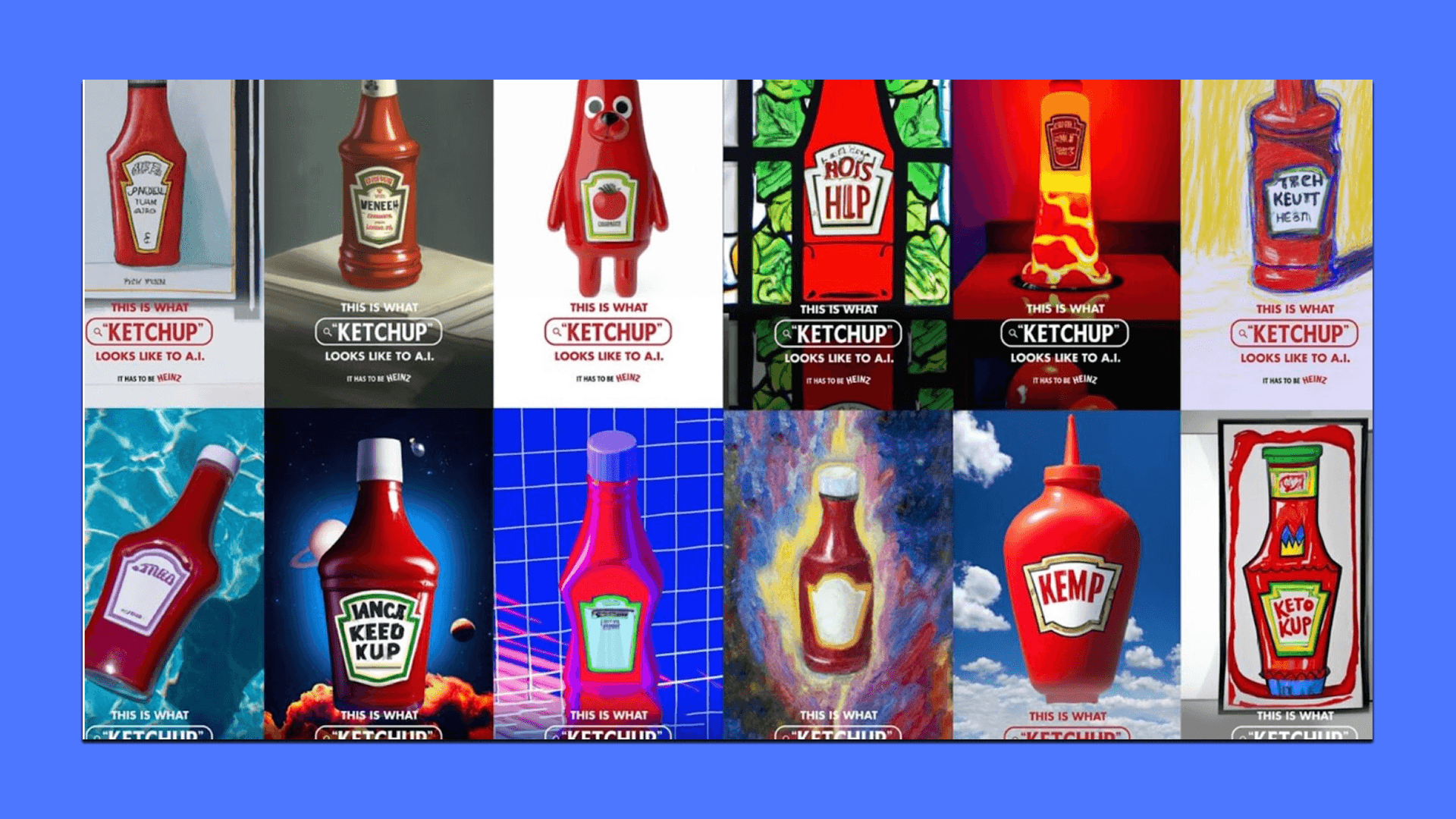
The campaign works because it’s such a simple proof. Heinz doesn’t have to say they’re iconic; the AI says it for them. Visually, the mismatched, slightly odd AI images also make for a scroll-stopping ad.
Shake Shack’s Green Lemonade Fake OOH
Shake Shack keeps things playful with this oversized, hyper-realistic cup of green lemonade towering over a city plaza. It’s a fake OOH spot made for Saudi National Day, and the idea is straightforward: take the limited-time drink, blow it up to an impossible scale, and make it look like it’s actually sitting in the street. The result is the kind of visual people stop scrolling for.
Fake OOH is an ad that look like a real outdoor ad (billboard, building wrap, bus stop, giant 3D installation, etc.), but it’s actually created digitally with CGI, VFX, or AI. Nothing physically exists in the real world; it’s designed for social media, not for a street corner.
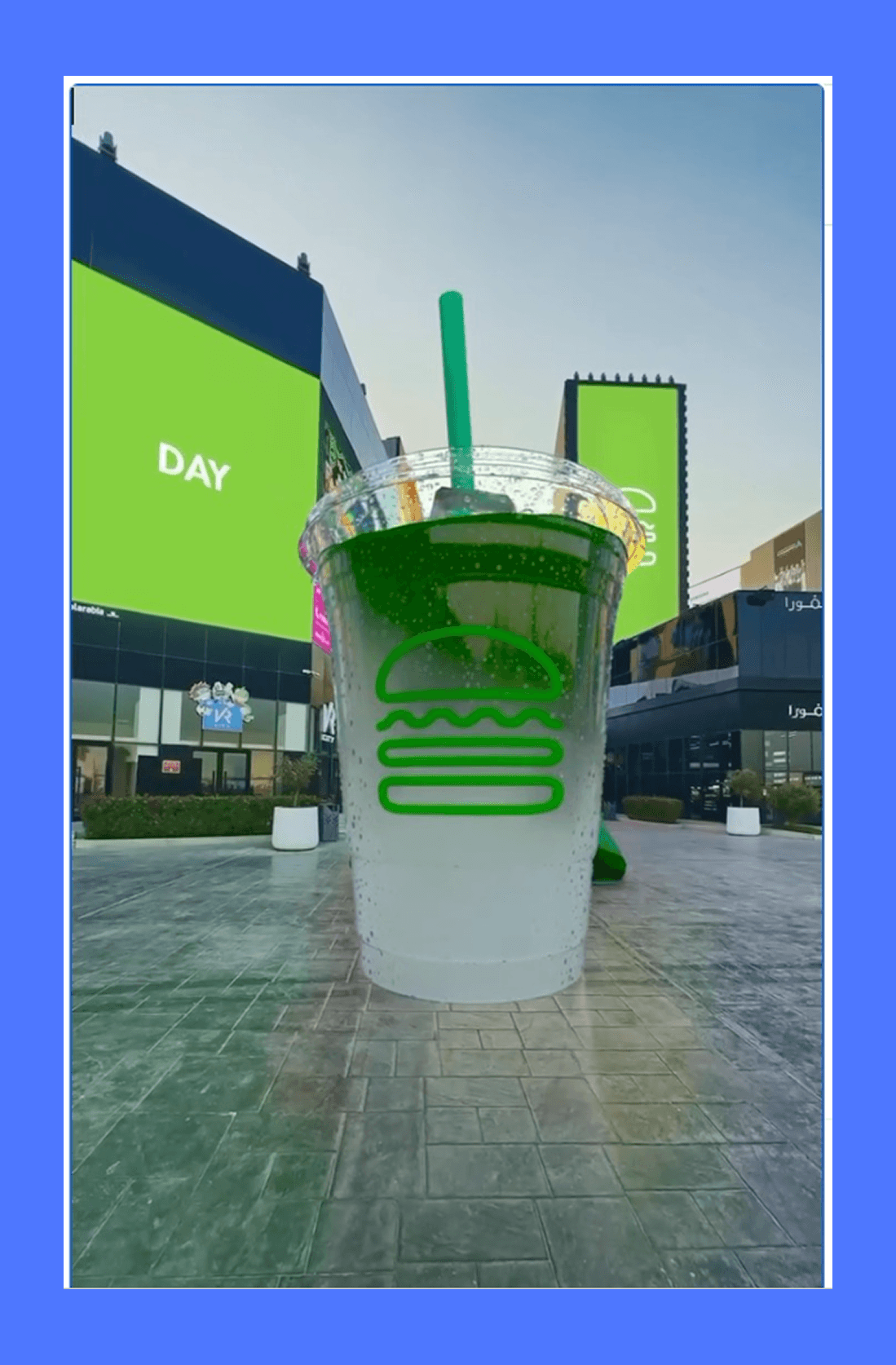
What makes it effective is how it fits the moment without overexplaining it. The green color ties naturally to the national celebration, and the giant cup becomes a quick visual shorthand for “new product + national pride” without needing text or narration.
Grind’s “Better Coffee” Ad
Grind is a London-based coffee brand known for its cafés and its plant-based coffee pods. This ad captures their vibe perfectly. It shows a person in pajamas drinking coffee in a cozy café-like setting, flipping through a newspaper, and basically doing nothing remarkable — which is exactly the charm. The ad feels warm, unhurried, and very real.
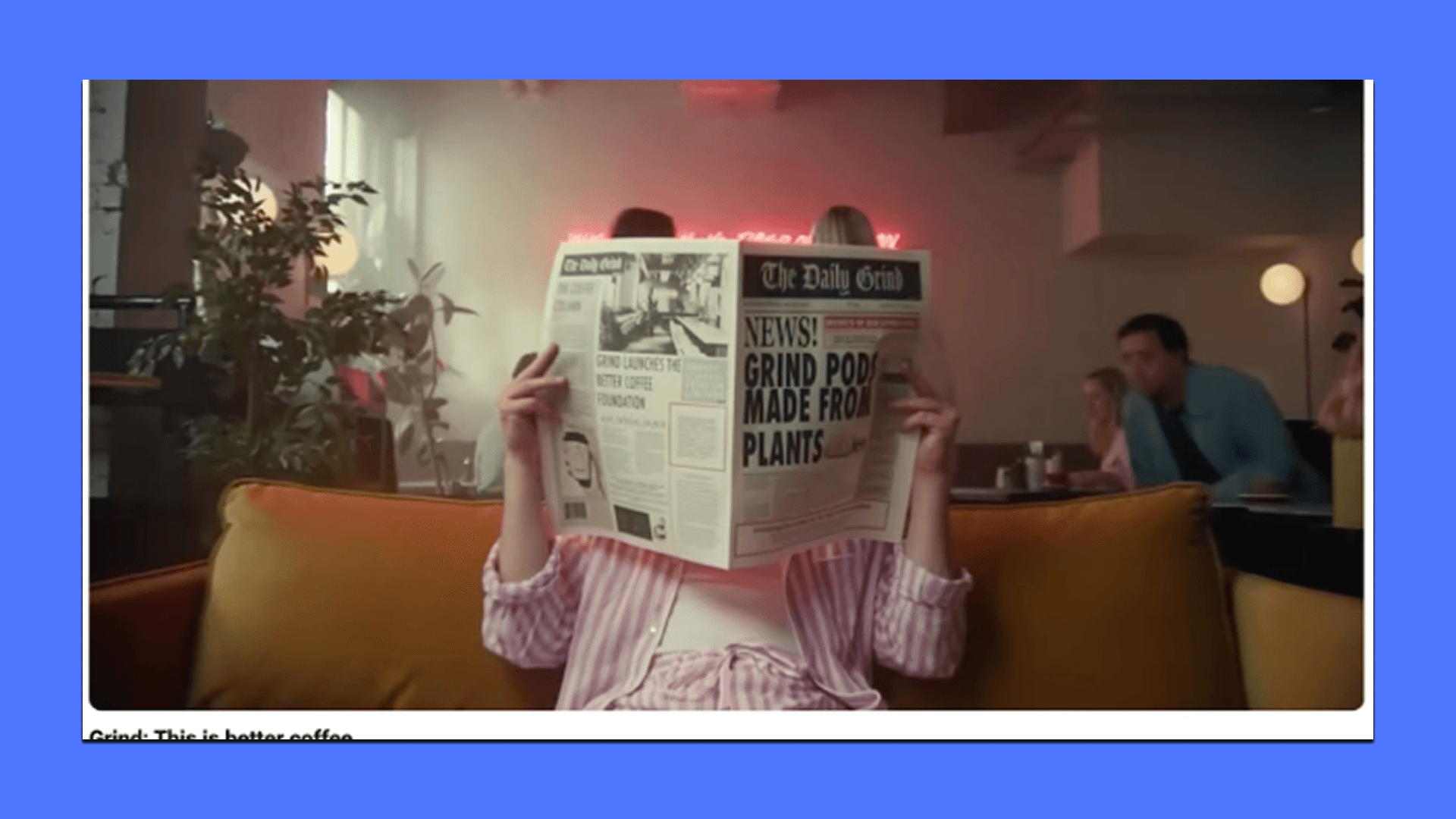
The voiceover keeps it straightforward: great-tasting coffee pods, delivered to your door, compatible with Nespresso machines, and made from plant-based materials instead of plastic. Instead of lecturing about sustainability or convenience, the ad shows a cozy scene and lets the product details come through naturally.
For a category crowded with loud claims, Grind leans into a simple message: better coffee, made by people who care, enjoyed by you in your own routine — even in pajamas.
MUD\WTR’s TikTok Ad
MUD\WTR goes back to basics with this TikTok ad: a real person in their kitchen explaining why the product works for them. No fancy shots, no heavy editing — just someone talking honestly about taste, routine, and benefits. That simplicity is exactly why the ad feels trustworthy.
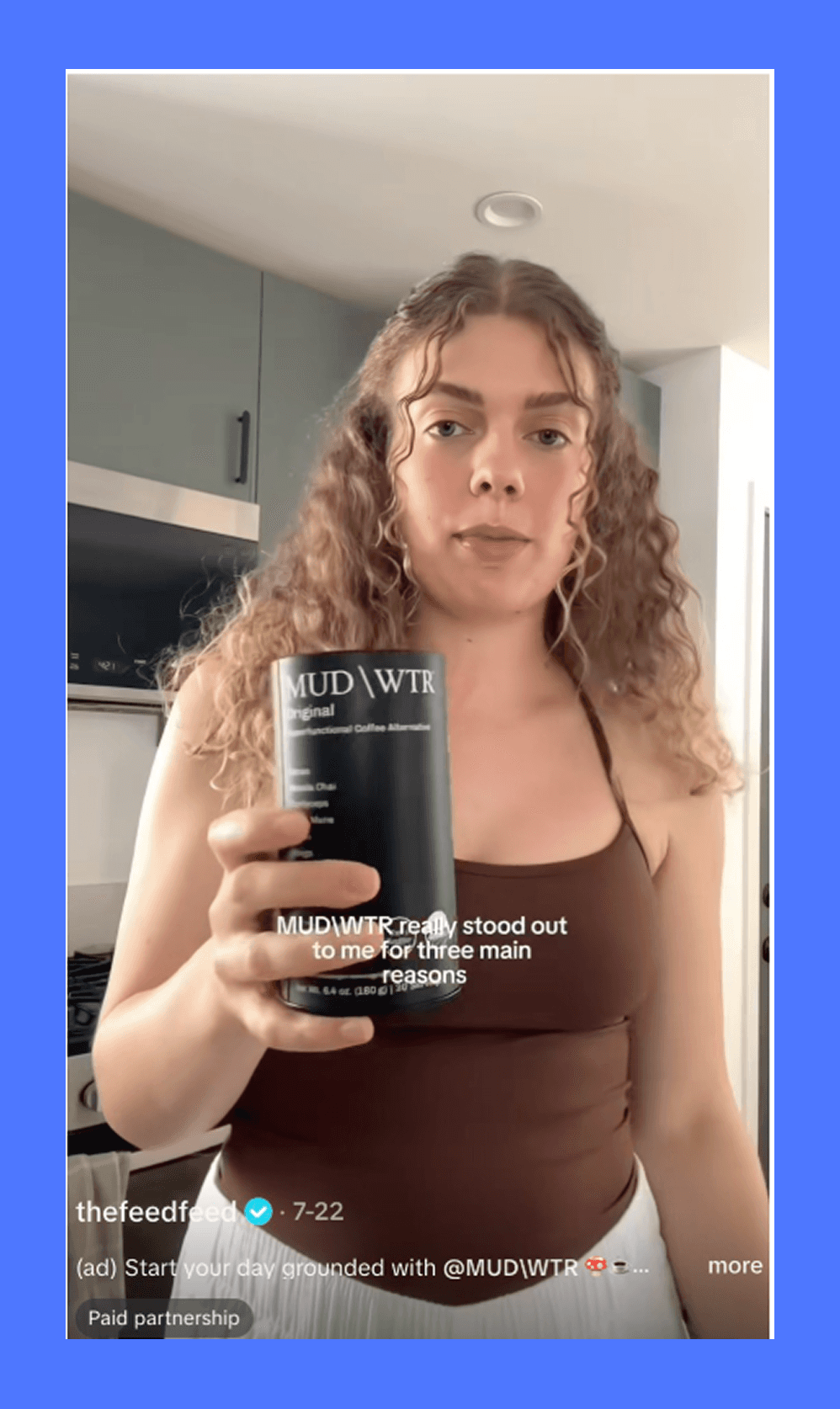
The creator addresses the biggest hesitation people have with functional drinks like this: “Does it taste like dirt?” By saying it doesn’t taste dusty and actually has good flavor, the ad gets ahead of the skepticism. Then it moves into why they use it — steady energy, healthier ingredients, fewer jitters — without making it sound like a miracle product.
The format also matches how people actually use MUD\WTR: at home, first thing in the morning, in a cup they already love. It feels like a friend sharing their go-to drink, not a brand lecturing. Straightforward, relatable, and believable — exactly what this category needs.
How Airpost Helps You Make Ads Like These
Looking at all these campaigns, one thing becomes clear: the best food and beverage ads aren’t accidental. They come from having a clear idea, testing variations, and moving fast enough to keep up with what people respond to. Most teams already know the kind of ads they want to make, but the problem is producing enough versions to actually find what works.
Airpost gives brands a way to do that without adding more people or slowing down their workflow. You upload your brand assets, set your brief, and the system generates a steady stream of new ideas and video ads each week. Some are playful, some are product-forward, some try a new angle you might not have considered. You get options, not just one version to hope for. Check out some real examples of ads generated with Airpost.
There’s still a human layer. Airpost’s creative strategists shape the direction, filter out the noise, and help teams focus on concepts with actual potential. The engine just speeds up everything around it — producing edits, variations, and fresh concepts in minutes instead of waiting days.
For food and beverage brands, this means you can explore more creative styles and keep testing without wasting budget. You don’t need a giant team or a big agency retainer to stay competitive.
If your 2026 plan includes making more ads, or making better ones, talk to us at Airpost, and we'll show you how to generate winning campaigns at scale.